
Reliable Plumber Services
Your Trusted Local Plumber
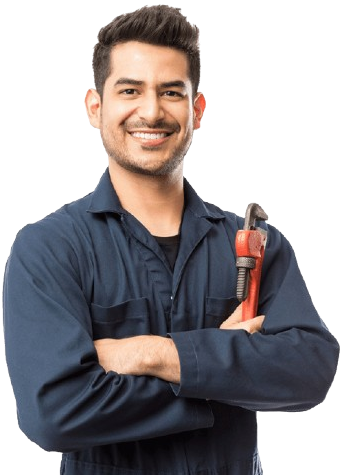
Emergency Repairs
Description for the Emergency Repairs
Drain Cleaning
Description for the Drain Cleaning
Water Heaters
Description for the Water Heaters
Leak Detection & More
Description for the Leak Detection & More
Reliable Plumber Services
Your Trusted Local Plumber
Emergency Repairs
Description for the Emergency Repairs
Drain Cleaning
Description for the Drain Cleaning
Water Heaters
Description for the Water Heaters
Leak Detection & More
Description for the Leak Detection & More
Plumbing services encompass the specialized work of installing, repairing, and maintaining systems that distribute clean water and dispose of wastewater within a building. These services ensure proper sanitation, safety, and functionality for residential and commercial structures. Plumbing services are generally categorized into three main areas: 1. Installation This involves setting up the "backbone" of a building's water and waste systems, often during construction or remodeling: Piping Systems: Installing main water supply lines, drainage pipes, and sewer lines. Fixtures: Fitting essential items like toilets, sinks, faucets, bathtubs, and showers. Appliances: Connecting water-dependent machines such as dishwashers, washing machines, and garbage disposals. Gas Lines: Many licensed plumbers also install and safely connect gas lines for stoves, heaters, and fireplaces. 2. Repair and Troubleshooting Plumbers are most frequently called to fix malfunctioning components to prevent water damage: Leak Detection and Fixes: Identifying and repairing drips in faucets, leaking toilets, or burst pipes hidden behind walls. Drain Cleaning: Clearing blockages in sinks, tubs, and main sewer lines using tools like "snakes" (augers) or high-pressure hydro-jetting. Water Heater Service: Repairing or replacing malfunctioning thermostats, heating elements, or entire water heater tanks. Emergency Services: Addressing urgent crises like overflowing toilets or major floods that require immediate response outside regular hours. 3. Maintenance and Inspection Routine care helps extend the life of plumbing systems and prevents costly failures: System Flushes: Cleaning out sediment from water heaters to maintain efficiency. Video Inspections: Using specialized cameras to see inside sewer lines for tree root intrusion or cracks. Pressure Checks: Testing water pressure and backflow prevention devices to ensure water quality and system safety. Key Sub-Specialties Potable Water Systems: Focused on the "incoming" side—bringing fresh, clean water into the structure. Sanitary Drainage Systems: Focused on the "exit" side—removing wastewater safely. Commercial Plumbing: Dealing with larger-scale systems in office buildings, restaurants (e.g., grease trap cleaning), or factories.
Plumbing services encompass the specialized work of installing, repairing, and maintaining systems that distribute clean water and dispose of wastewater within a building. These services ensure proper sanitation, safety, and functionality for residential and commercial structures. Plumbing services are generally categorized into three main areas: 1. Installation This involves setting up the "backbone" of a building's water and waste systems, often during construction or remodeling: Piping Systems: Installing main water supply lines, drainage pipes, and sewer lines. Fixtures: Fitting essential items like toilets, sinks, faucets, bathtubs, and showers. Appliances: Connecting water-dependent machines such as dishwashers, washing machines, and garbage disposals. Gas Lines: Many licensed plumbers also install and safely connect gas lines for stoves, heaters, and fireplaces. 2. Repair and Troubleshooting Plumbers are most frequently called to fix malfunctioning components to prevent water damage: Leak Detection and Fixes: Identifying and repairing drips in faucets, leaking toilets, or burst pipes hidden behind walls. Drain Cleaning: Clearing blockages in sinks, tubs, and main sewer lines using tools like "snakes" (augers) or high-pressure hydro-jetting. Water Heater Service: Repairing or replacing malfunctioning thermostats, heating elements, or entire water heater tanks. Emergency Services: Addressing urgent crises like overflowing toilets or major floods that require immediate response outside regular hours. 3. Maintenance and Inspection Routine care helps extend the life of plumbing systems and prevents costly failures: System Flushes: Cleaning out sediment from water heaters to maintain efficiency. Video Inspections: Using specialized cameras to see inside sewer lines for tree root intrusion or cracks. Pressure Checks: Testing water pressure and backflow prevention devices to ensure water quality and system safety. Key Sub-Specialties Potable Water Systems: Focused on the "incoming" side—bringing fresh, clean water into the structure. Sanitary Drainage Systems: Focused on the "exit" side—removing wastewater safely. Commercial Plumbing: Dealing with larger-scale systems in office buildings, restaurants (e.g., grease trap cleaning), or factories.
Plumbing services encompass the specialized work of installing, repairing, and maintaining systems that distribute clean water and dispose of wastewater within a building. These services ensure proper sanitation, safety, and functionality for residential and commercial structures. Plumbing services are generally categorized into three main areas: 1. Installation This involves setting up the "backbone" of a building's water and waste systems, often during construction or remodeling: Piping Systems: Installing main water supply lines, drainage pipes, and sewer lines. Fixtures: Fitting essential items like toilets, sinks, faucets, bathtubs, and showers. Appliances: Connecting water-dependent machines such as dishwashers, washing machines, and garbage disposals. Gas Lines: Many licensed plumbers also install and safely connect gas lines for stoves, heaters, and fireplaces. 2. Repair and Troubleshooting Plumbers are most frequently called to fix malfunctioning components to prevent water damage: Leak Detection and Fixes: Identifying and repairing drips in faucets, leaking toilets, or burst pipes hidden behind walls. Drain Cleaning: Clearing blockages in sinks, tubs, and main sewer lines using tools like "snakes" (augers) or high-pressure hydro-jetting. Water Heater Service: Repairing or replacing malfunctioning thermostats, heating elements, or entire water heater tanks. Emergency Services: Addressing urgent crises like overflowing toilets or major floods that require immediate response outside regular hours. 3. Maintenance and Inspection Routine care helps extend the life of plumbing systems and prevents costly failures: System Flushes: Cleaning out sediment from water heaters to maintain efficiency. Video Inspections: Using specialized cameras to see inside sewer lines for tree root intrusion or cracks. Pressure Checks: Testing water pressure and backflow prevention devices to ensure water quality and system safety. Key Sub-Specialties Potable Water Systems: Focused on the "incoming" side—bringing fresh, clean water into the structure. Sanitary Drainage Systems: Focused on the "exit" side—removing wastewater safely. Commercial Plumbing: Dealing with larger-scale systems in office buildings, restaurants (e.g., grease trap cleaning), or factories.